The best Melbourne Cup food ideas are built for a long afternoon on your feet: elegant finger food you can eat with a glass in the other hand, a grazing table that looks the part in the photos, and enough of it to carry a crowd from the first race to the last. Cup Day is a frock-up, bubbles-on-arrival kind of occasion, so the food should feel a cut above a regular get-together without trapping you in the kitchen while the race you’ve backed is running. This guide covers the canapés and platters worth putting out, how to build a race day grazing table, a long-lunch option for a seated group, and the make-ahead tricks that keep you trackside with everyone else — plus the point where it’s worth having a private chef cook and serve the lot. Think of it less as a list of Melbourne Cup recipes and more as a plan for the whole afternoon.
Canapés and finger food: the definitive Melbourne Cup food
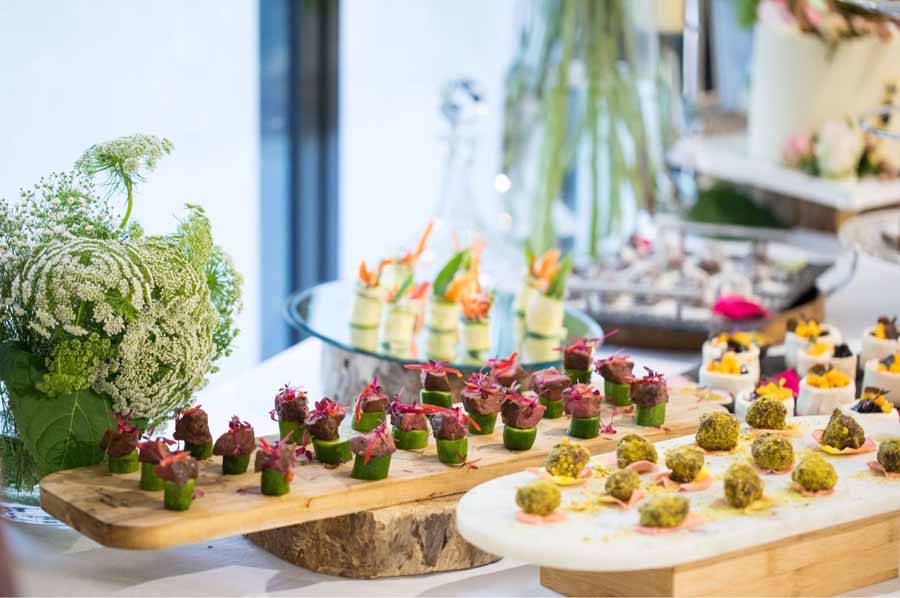
Canapés are the classic Melbourne Cup food, and for good reason — they travel around the room, they suit a standing crowd watching the screens, and nobody needs a knife and fork in heels or a good suit. The move is a handful of strong, elegant bites rather than a dozen fiddly ones.
A few that land on Cup Day:
- Smoked salmon on dill blinis with crème fraîche — the race-day standard, and still the first thing to disappear
- Freshly shucked oysters with a mignonette — the quickest way to make a spread feel like an occasion
- Prawn and mango in crisp wonton cups — fresh seafood, spring-seasonal, and light enough for a warm afternoon
- Mini quiches and prosciutto-wrapped melon — a little substance for a long day of drinking
- Mini beef or pork sausage rolls with a good relish — the crowd-pleaser nobody admits to loving
- Arancini with a bright aioli — holds well on a platter and eats neatly
If sushi suits your crowd, a tray of nigiri and hand rolls is another neat, make-ahead favourite that eats cleanly standing up.
The elegant play is restraint: pick four or five strong canapés made with fresh, seasonal, market-bought ingredients and do them properly, rather than a sprawling table of novelty bites. If you’d rather hold a glass than a piping bag all afternoon, a private chef can pass hot canapés through the room so every bite lands at its best while you actually watch the race.
How to build a Melbourne Cup grazing table
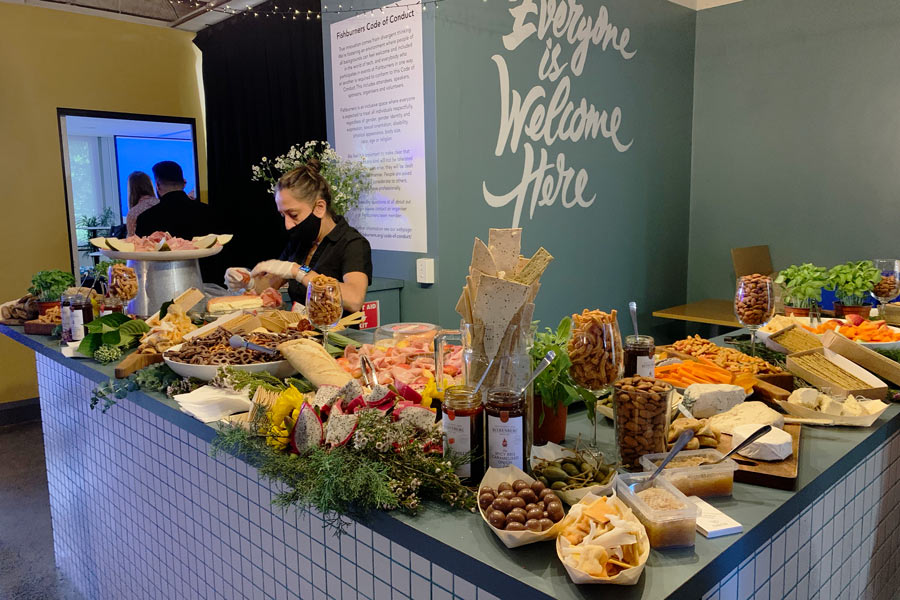
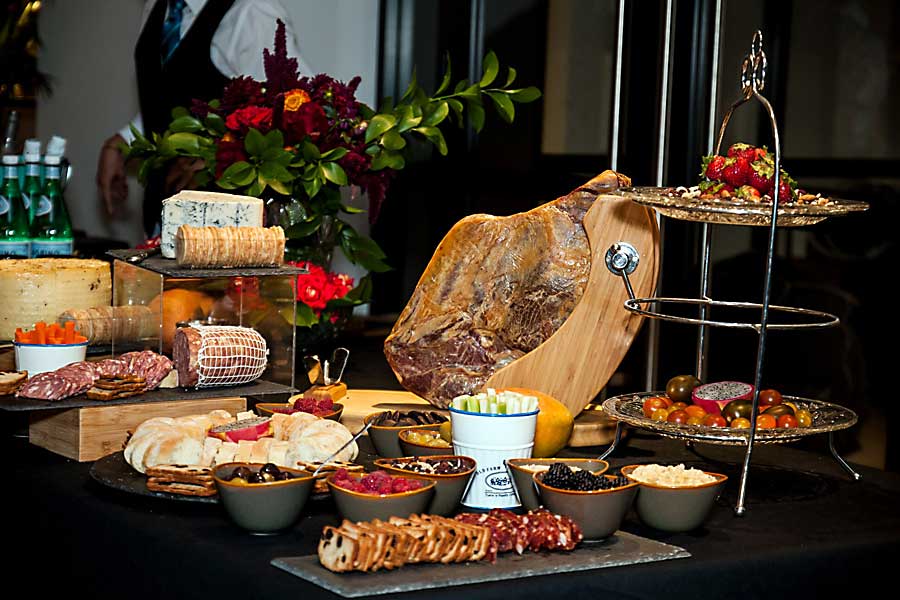
A grazing table is the single most effective centrepiece for a Cup Day gathering — it feeds a standing crowd for hours, it anchors the room, and it does most of the styling for you. The formula: build in layers, lean spring-seasonal, and give it height.
Lay it out in this order:
- The base — a long board or runner, with cheeses and cured meats as the anchors
- Fresh colour — figs, grapes, strawberries, cherries, stone fruit as it comes into season
- Texture and crunch — seeded crackers, grissini, toasted sourdough, spiced nuts
- Something warm — a baked brie or a dip to stop it reading as a cold platter
- Herbs and flowers — trailing rosemary and a few edible blooms for the spring-racing look
The thing most home boards get wrong is volume and timing — grazing platters for twenty need real quantity, and the table should be built in the last hour so nothing sweats in the spring warmth. For a larger spread, CHEFIN’s grazing and buffet catering is built and styled on site by a chef, topped up through the afternoon, with premium cheeses and charcuterie sourced for the day — so it still looks the part at the last race.
A Melbourne Cup long lunch at home
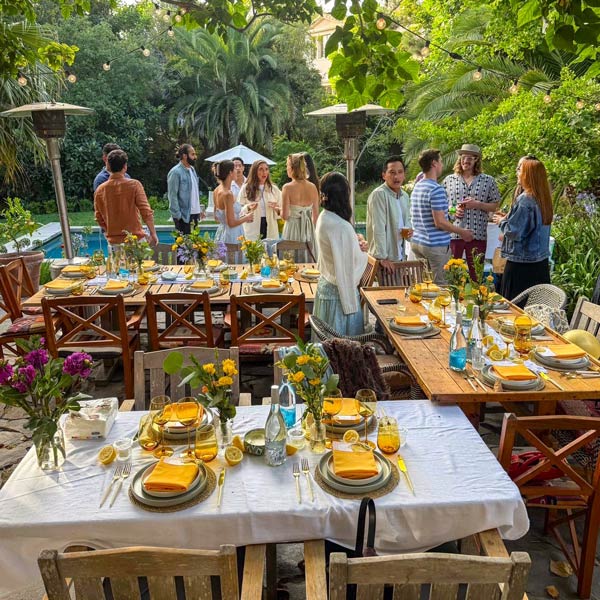
Not every Cup Day is a standing party. For a smaller group, a seated long lunch at home is the more relaxed option — and you skip the booked-out restaurants and the per-head venue price entirely. The best Melbourne Cup lunch ideas keep it light and spring-led: a shared starter while the early races run, a main brought out before the big one, and dessert with the sweep results.
A menu that eats beautifully across an afternoon:
- Starter: burrata with heirloom tomatoes and basil, or chilled pea and mint soup
- Main: herb-roasted chicken or a side of ocean trout, spring vegetables, a green salad
- Dessert: a pavlova with passionfruit and berries — the race-day classic
For a long lunch where you’d rather sit with your guests than plate up between races, a private chef cooks a tailored three-course menu at your table and clears the kitchen before leaving — the occasion, without the labour.
Melbourne Cup food for a crowd or the office
Feeding thirty or forty for Cup Day — at home or for an office that stops for the race — is a different job from feeding eight. Three rules keep it manageable:
- Go big on a few things, not small on many. A crowd is served faster by generous platters than by fiddly individual canapés.
- Build in make-ahead. Anything assembled hot, to order, for forty people will strand you in the kitchen through the main race. Favour dishes that hold.
- Mind the dietary mix. The bigger the group, the more certain someone’s vegetarian, gluten-free, or off the booze — plan for it from the start.
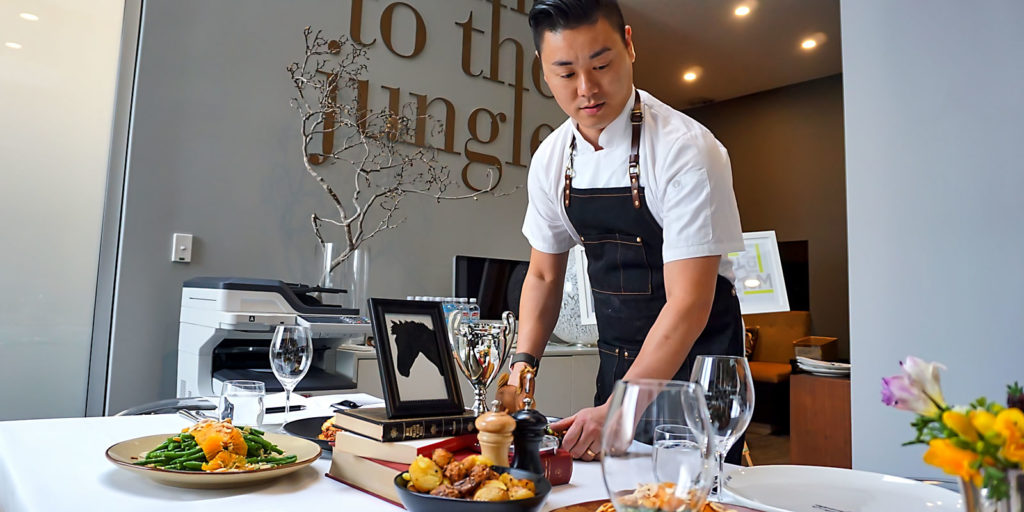
Past roughly thirty guests, cooking and serving it yourself stops being fun and starts being a shift. That’s the point where a private chef for your event earns its place: the food is cooked fresh on site, served through the afternoon, and the clean-up is handled, so you host the party instead of running the kitchen at it.
Make it ahead, or have a chef do it
Two ways to stay trackside instead of stuck at the bench:
Make-ahead that actually holds. Dips, spiced nuts, anything pickled, cold blini bases, baked goods, and most of a grazing table (assembled in the last hour) can all be done the day before. Hot finger food and anything that goes soggy cannot — serve those first and few.
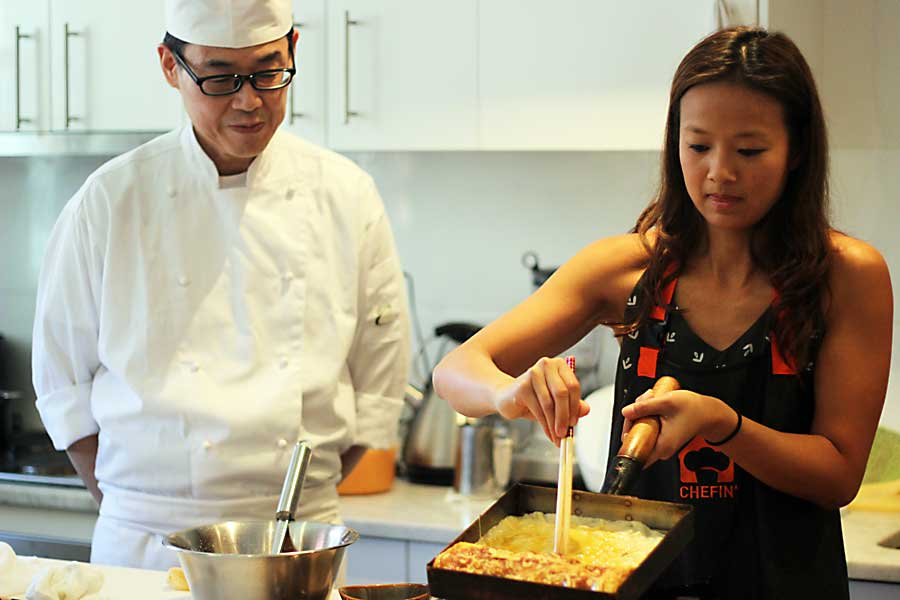
Have a chef cater it. For a bigger or more polished Cup Day, a private chef plans the menu with you, shops for the fresh ingredients, cooks and serves on the day, and leaves the kitchen clean. You get the afternoon you were throwing for everyone else. If the cooking is part of the entertainment, a chef-led cooking class turns the lead-up into a hands-on activity that ends in lunch.
Race-day drinks
Food does most of the work, but a drink on arrival sets the tone the moment the first guest walks in. Keep it to one or two:
- Bubbles, obviously — a good sparkling or champagne for the toast is the whole costume
- A spring spritz — Aperol, or an elderflower-and-prosecco for something lighter
- A race-day punch in a big jug so you’re not mixing all afternoon
- For non-drinkers, a proper mocktail — an elderflower-and-soda or a mango cooler — not just lemonade
Food that works for every guest
A Cup Day crowd always has a mix of eaters, and “there’s a salad somewhere” doesn’t cut it. The good news: a spring grazing spread is naturally friendly to dietary needs.
- Vegetarian: arancini, roasted-vegetable tartlets, caprese skewers, a loaded grazing board
- Gluten free: prawn and mango cups, oysters, most cheeses and cured meats, crudités with dips, a flourless chocolate slice (naturally gluten-free, and a race-day favourite)
- Nut-free: easy to keep a whole board nut-free if you plan it — just flag it to anyone bringing a plate
With a private chef, dietary needs are built into the menu from the start, so every guest eats the same spread rather than a separate plate.
Melbourne Cup food FAQs
What food do you serve at a Melbourne Cup party?
Lean on elegant finger food and canapés for a standing crowd — smoked salmon blinis, prawn and mango cups, mini sausage rolls, arancini — plus a grazing table to anchor the room, and bubbles on arrival. Serve anything hot or crisp first, keep make-ahead dips and boards for the long middle of the afternoon, and finish with a pavlova for the sweep results.
What are easy Melbourne Cup finger food ideas?
The best race-day finger food is make-ahead and neat to eat standing up: smoked salmon blinis, prawn and mango wonton cups, beef and horseradish crostini, mini sausage rolls, and arancini with aioli. Pick four or five strong ones over a dozen fiddly bites, and serve the hot ones first while they’re at their best.
How do you make a Melbourne Cup grazing table?
Start with a long board or runner, anchor it with cheeses and cured meats, add spring fruit (figs, grapes, cherries, stone fruit), then crackers and spiced nuts for crunch, and finish with a warm element and trailing herbs for the spring-racing look. Build it in the last hour so nothing sweats in the warmth.
Should I host a Melbourne Cup lunch at home or book one out?
Both work — it depends on the group. A booked venue lunch takes the pressure off but costs a per-head price and books out early. Hosting at home costs less per person, lets you set the menu and the guest list, and a private chef can cover the cooking and service so it still feels like a day off for you. For a relaxed group who’d rather not fight for a restaurant table, home usually wins.
How much does it cost to have a private chef cater a Melbourne Cup party?
As a guide, CHEFIN’s cocktail and canapé packages start from $65 per person, three-course menus from $195, and five-course menus from $245 — all in Australian dollars and inclusive of GST, covering the chef, the fresh ingredients, the cooking, service and clean-up. CHEFIN charges the same per-person rate above the group minimum regardless of headcount, and the same rate wherever it serves. For an exact figure for your date and guest count, ask the concierge team for a quote.